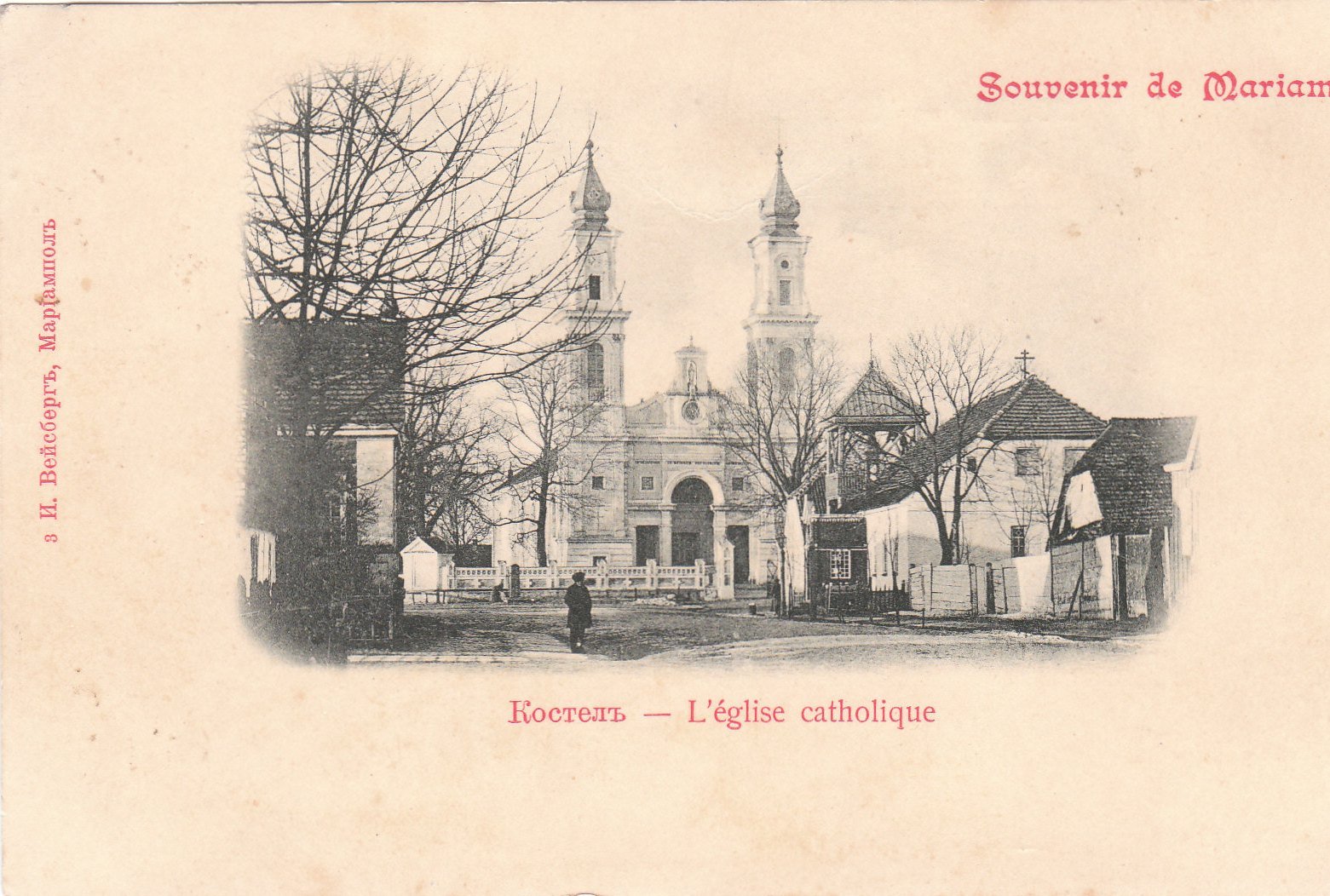
The historic road saint – Petersburg – Warsaw

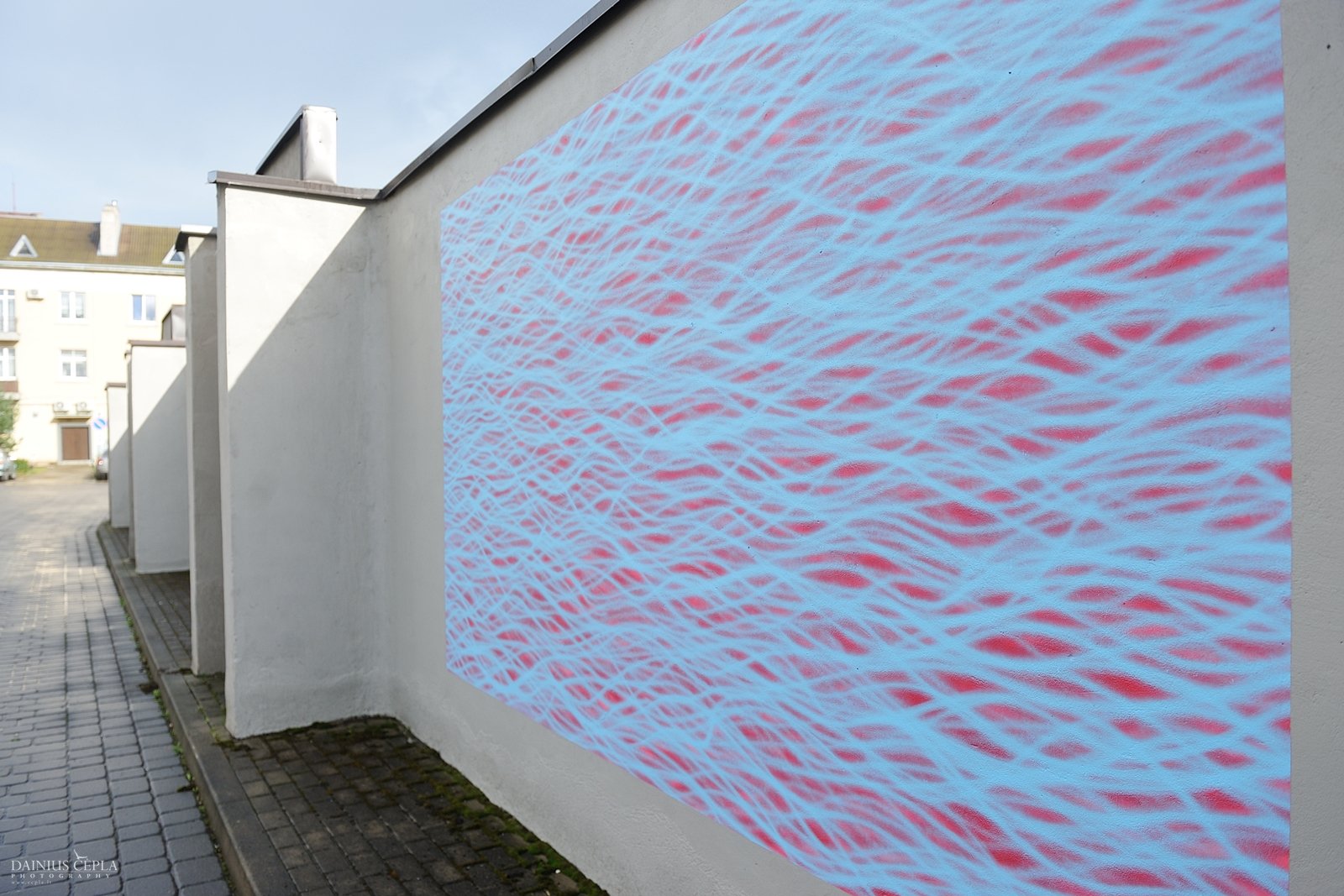
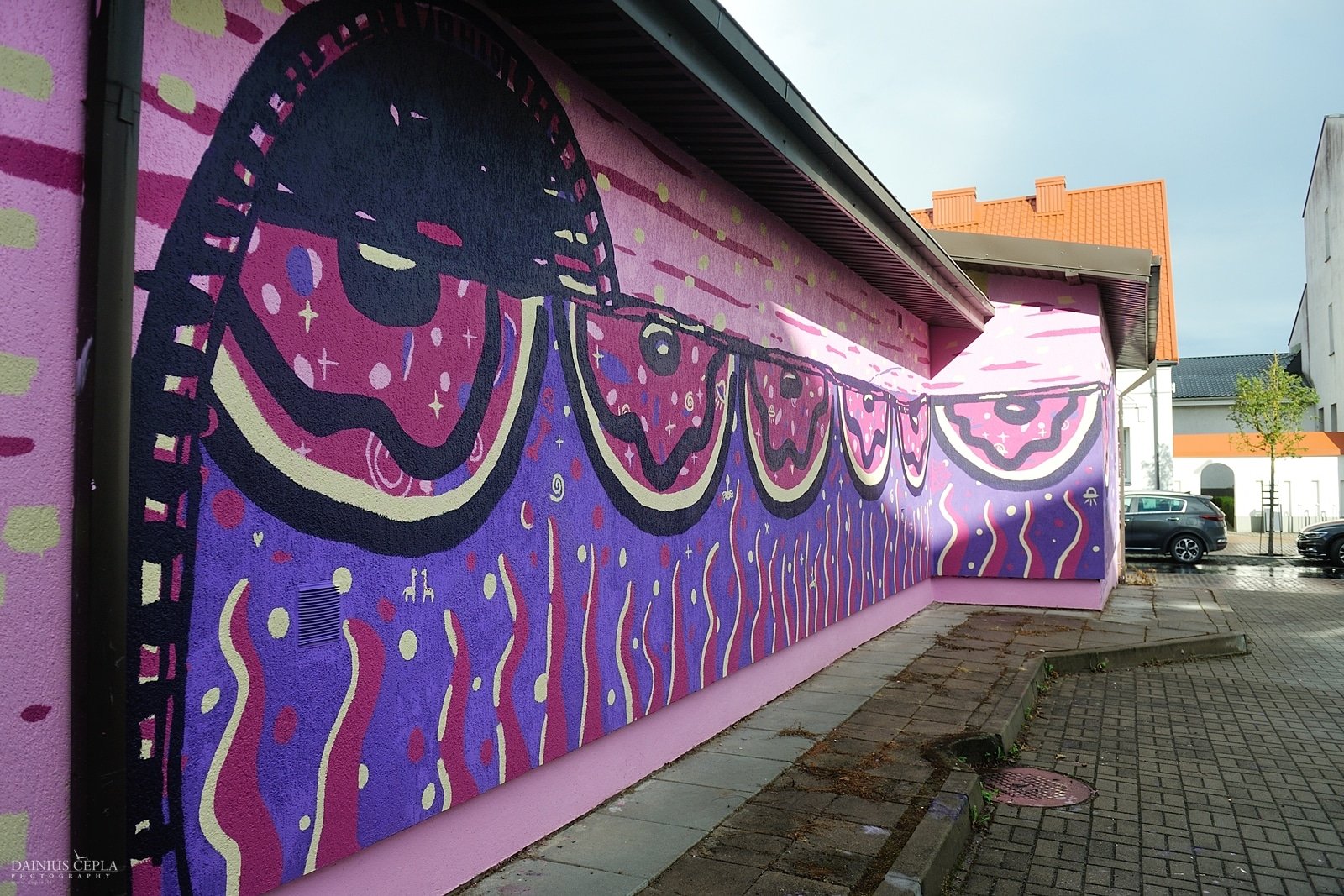
The postal tract began to be built in 1828 , the third year of Tsar Nicholas I's rule. It was completed in 1836. At that time, it was a modern path, important for economic development and political activity. For the affairs of the tract, postal stations, houses of station supervisors, road firewalls, bitter ones were built. In Jonas Basanavičius Square, this historic road is marked by chandeliers installed in the square's way. Artist Ray Bartkus, founder of the Art Symposium Malonny painted a piece in which Canadian poet, singer and songwriter Leonard Cohen is waiting for a bus to Vilkaviškis. Bob Dylan and Leonardo are depicted on the wall. Cohen's roots are in Suvalkija region, so this work is a link to the land of their ancestors.

Comments Off on The historic road saint – Petersburg – Warsaw

Monument to linguist Jonas Jablonskis

Jonas Jablonskis introduced many new things in our language, without which we cannot do today. Now we probably would not have words such as future, past, compatriot, peasant, scientist, fellow, board, court, imagination, influence, impression, progress, oxygen, etc. However, Jonas Jablonskis ruthlessly chased newcomers who were misguided from the writings, such as the future (future), the art (content), science (school), the handball (textbook), the writer (writer), the image (imagination) and others. And how did the word pupil appear thanks to the father of the Lithuanian literary language? A well-known story of how, while still a student, Jonas Jablonskis returned to his homeland for a vacation and saw a peasant in the field, and a young bull going by the side. When asked why the young man was "lazy", the peasant replied that he was still a schoolboy and was learning to work by going next to an older one. In this way, the "školnikas" and other non-Lithuanian names of children in education were changed by the pupil and remained to this day.

Comments Off on Monument to linguist Jonas Jablonskis

Evangelical Lutheran Church and School (built in the first half of the 19th century)

Because Marijampolė's evangelical Lutheran parish was small, there was a lack of money for its maintenance. In 1824, the church council decided to turn to Tsar Alexander I and ask for state aid for the maintenance of the priest and the parish. The following story is told about the service of that request. The tsar traveled through the uninhabited areas of the present Marijampolė. So to draw the tsar's attention, the church councillor Trapas whitewashed the horse and rode it. Suddenly, he and the horse fell into the cella, which was abundant there. The Tsar did take notice of this and, having accepted the request that had already been shaken, stated that he would certainly be satisfied. Tsar gave a one-time allowance of PLN 10,000 and PLN 1,300 each year.

Comments Off on Evangelical Lutheran Church and School (built in the first half of the 19th century)

Šunskai Mary Magdaleette Church

Built in 1865, the church has a rectangular plan, single-sided, with low three-sided furnishings and side furnishings. The churchyard‘s fence is metal, its plinth is stone masonry, the pillars are made of brick. The main interest of the complex is the church, which is oriented with a side façade to Varpo Street, stands in the central part of the territory, slightly to the east side. In the corners of the churchyard there are one-story almost square plan stones – brick masonry chapels. The composition of the ensemble is central, the style is neo-gothic.

Comments Off on Šunskai Mary Magdaleette Church

Bukta Manor

A valuable feature of Bukta manor is the structure of the plan of the manor house, the volumetric spatial composition, the remains of the former parts (structures) of the complex or their places. It is claimed that in ancient times the royal forests were raw here. For the first time, the manor was mentioned in documents from 1520 to 1525. There is the river Šešupė nearby, on the left bank of which in the 16th century a habitat was built for the stay of hunters and representatives of the Grand Duke. In 1569, the Grand Duke of Lithuania and king of Poland Žygimantas Augustas transferred these lands, about 17 valaks, to Lukas Volfas. In 1649 it was a forest manor with no farmland and no penal.

Comments Off on Bukta Manor
Read more about the article Fragments of Ivoniškis (Gudeliai) former manor house
SONY DSC

Fragments of Ivoniškis (Gudeliai) former manor house

Ivoniškis (Gudeliai) manor has been known since the 16th century, when Gudeliai and the surrounding villages belonged to counts Tiškevičiai. Around 1700 Count Tiškevičius built a chapel near the manor, strengthening the religious influence of the manor on the surrounding area. It is believed that the chapel and manor house of that time burned down around 1803. Since the second half of the 19th century, Gudeliai belonged to Ivoniškis Manor. The manor had five taverns, a spirits brewery (bravor) and many other outbuildings. In the interwar period, the palace was still relatively well-maintained. After the Second World War, a gymnasium was established there, later a seven-year-old school. In 1968, the palace was demolished, and in other buildings a collective farm office was established.

Comments Off on Fragments of Ivoniškis (Gudeliai) former manor house

Šunskai graveyard

The tomb of Tomas Ferdinandas Žilinskas is located in the graveyard of Šunskai. The teacher, cultural figure, distributor of the prohibited Lithuanian press, together with other educators, prepared about 700 students over 37 years. According to J. Jablonskis, T. Žilinskas was "The great patriarch of Lithuanian teachers, a teacher who taught to work in his country in the most difficult circumstances". Born in 1840, in Domeikai village, he died in 1925.

Comments Off on Šunskai graveyard

Mass murder of Jews and tomb

When the war between Germany and the Soviet Union began in 1941, the first 32 Jews of Marijampolė were killed in Marijampolė on July 7, and on July 18, another 53 were killed. That was just the beginning. On September 1, 1941, more than six thousand people were killed in the barracks shooting range, including almost all Marijampopolė Jews. The massacre was carried out by the "flying squad" of Joachim Hammann, which was based on the Lithuanian National Labour Protection Battalion, or rather, the 3rd Staple. In Marijampolė, the massacre of Jews took place in the territory of the city, so the whole Marijampolė heard gunshots and screams of victims. Part of our city was buried here.

Comments Off on Mass murder of Jews and tomb

New Jewish Cemetery

Jews were buried in the new Jewish cemetery between 1918 and 1940. It was not until 1992 that they were renewed. Eleven stone tombstones were discovered during the management of the cemetery. Ten of them were lined up in a circle, which probably symbolized the minjan, which portrayed in the Jewish religion that a number of ten adult men had to pray together. One tombstone was left behind, at the site of its discovery. The foundations of the fence of these cemeteries are also preserved.

Comments Off on New Jewish Cemetery

Old Jewish cemetery

The old Jewish cemetery was established in the second half of the 18th century. Here, the first Rabbi of Marijampole, Haim Perelmuter Sheršover rests, who built the first wooden synagogue in our city around 1825. The cemetery was destroyed during the Soviet occupation. In 1991, a monumental stone was erected on the territory of the former cemetery.

Comments Off on Old Jewish cemetery