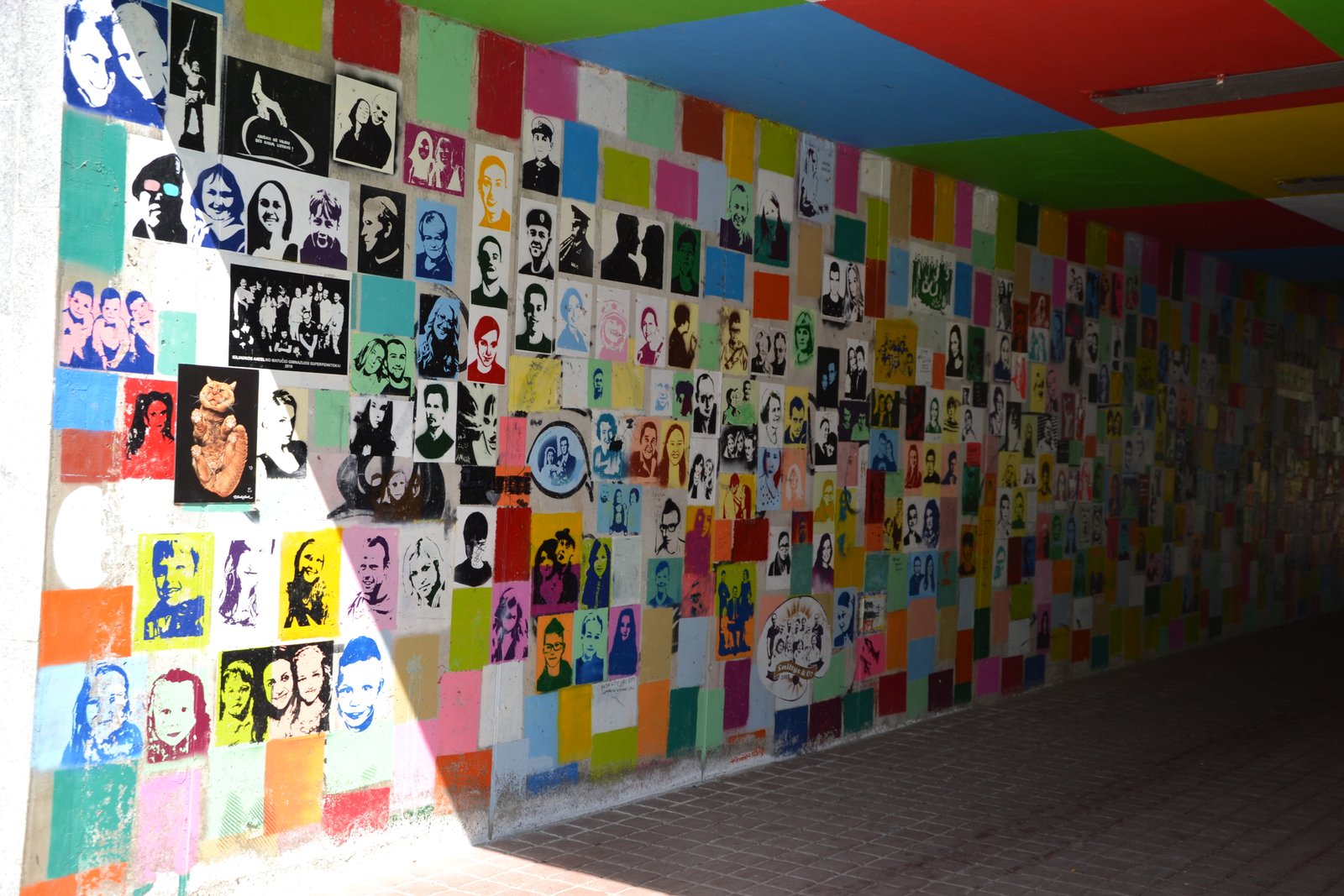
City face wall
Information will be available soon.
Comments Off on City face wall
2020-12-18


This park is a perfect place for watching the sunsets. This park is for those who want to escape from city noise and be with his own minds for a little bit. This park can be found on the top of the mountain, near river Sesupe. This park also has chapels, which reminds us about the history. Here was a place for everyone, who was tortured in 1944 – 1953. The chapels and park were built in 1990. Each year, on June 14th the park has an event for mourning and days of hope.
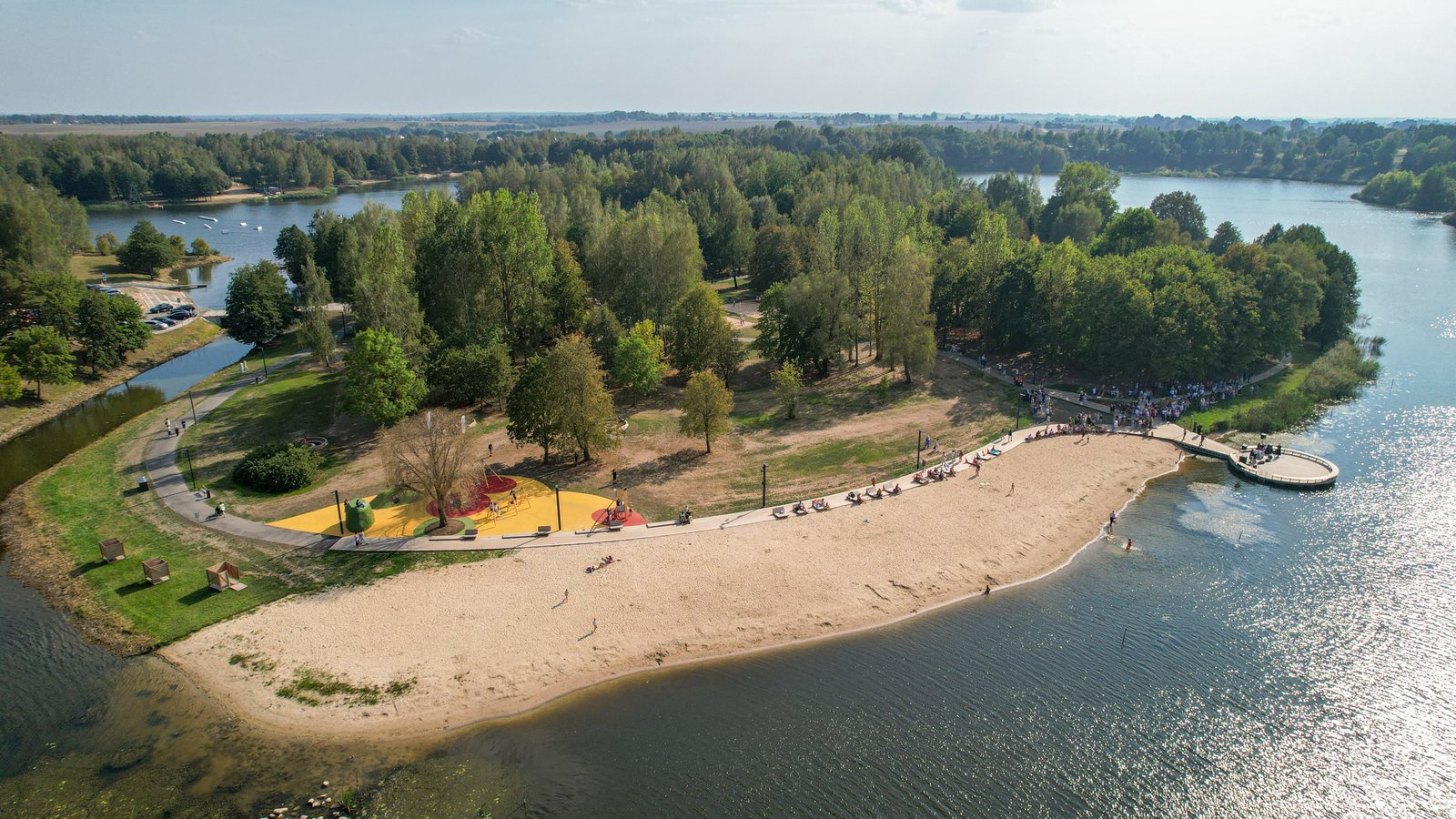
It is a travel park for family and friends. This park - a peninsula surrounded by water, is a great place for picnics. People can also play volleyball here, and there is a water board and water trampoline park in summer.

People loved to meet in this park, all dressed up and with smiles on their faces. This the oldest park in the city. It has now been renovated but still has that special spirit from the past. The park got the name Vytautas Didysis by celebrating year of this duke. This park was a place of many events, the place of peace, where no one was fighting for different beliefs or opinions. Many old people remember this park as the most beautiful park in the world because they spent their youth in this particular place.
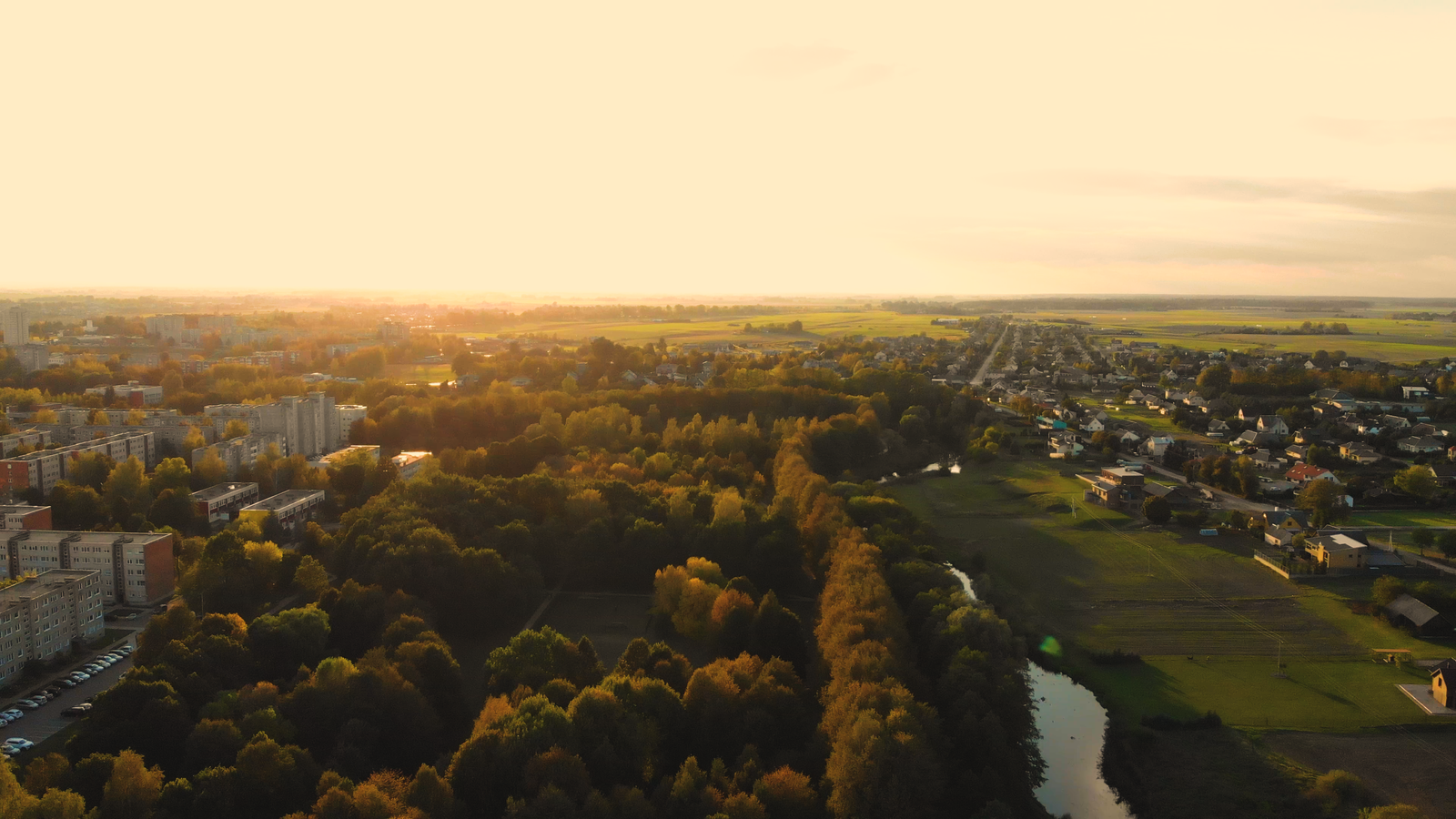
The bends of Šešupė surround one of the city's parks, whose paths are decorated with beautiful tree alleys. This is Pašešupis Park, which covers an area of almost 27 hectares, through which a 3-kilometer-long dendrological cognitive trail passes. Walking along this trail you will get acquainted with valuable old trees growing here, various vegetation. In the dendrological park, there are also ponds that provide a favorable medium for biodiversity, next to the River Šešupė. When fruit trees bloom in spring, Pašešupis Park drowns in a sea of reddish-white flowers, and in the autumn period the leaves of trees are painted in the colours of golden autumn. Walking along the beautiful tree alleys here you will discover tranquility, natural charm of nature. Visitors can admire the beautiful nature in the furnished view, which is decorated with stylized cube-shaped benches. About 80 rest benches are located on the territory of the dendrological park, so everyone will find rest here. Pašešupis Park has spaces for active leisure. The park visitors can spend time playing badminton, beach volleyball, outdoor tennis, disc golf and football, or try their hand at outdoor chess. A comfortable and safe children's playground is available for the little ones. Cyclists are provided with a bicycle route with roller coasters and a bicycle path through the park. Water lovers can spend time in the park in a newly equipped bathing area. Changing cabins are located on the bathing area. There is also an outdoor toilet and a drinking water column in the park. The park area is a great place for meetings with family or friends. Here you can go for a picnic and grill delicious dishes in a specially equipped area.
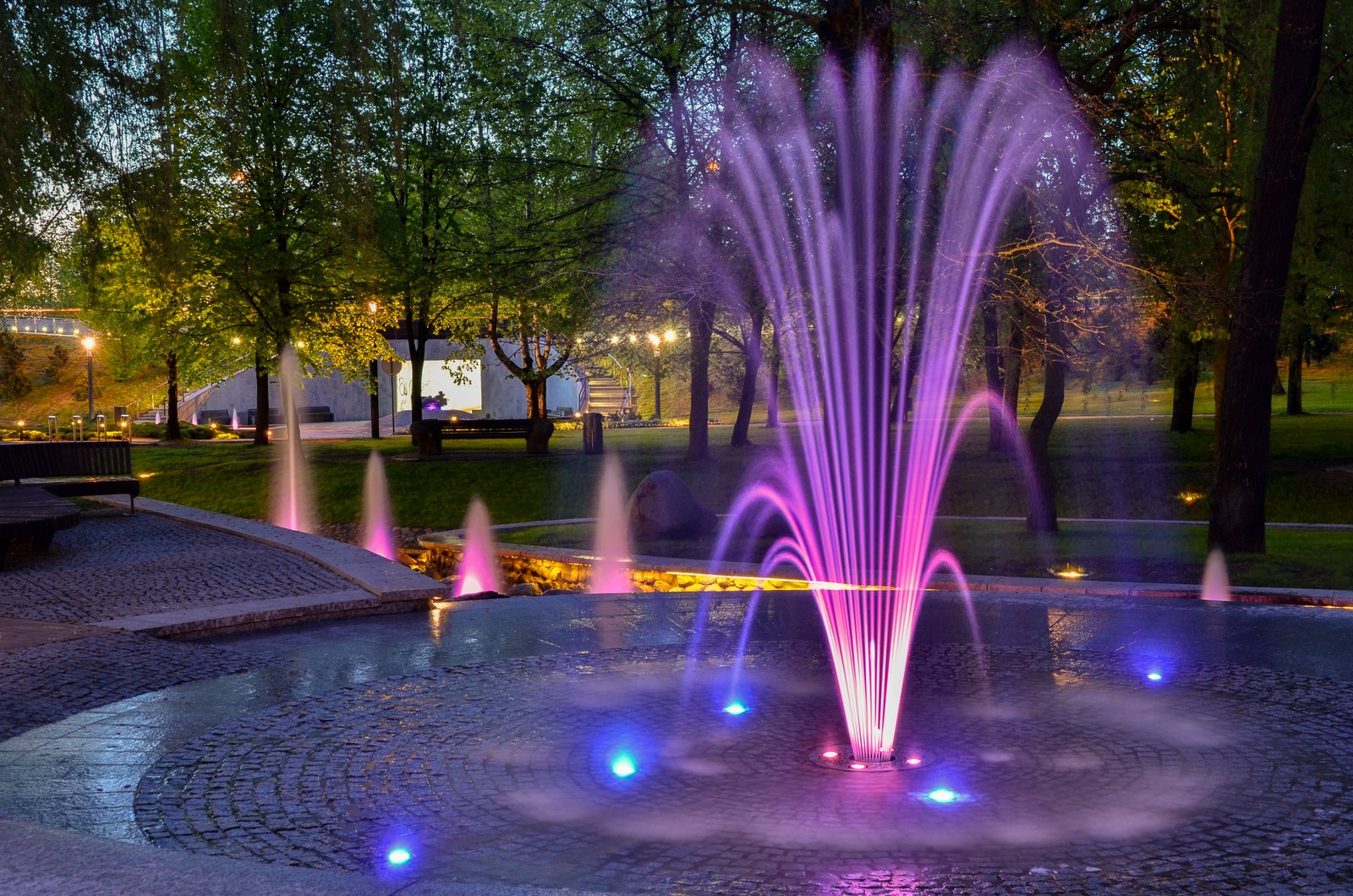
Poetry park In 1977 a general plan of the town was…

The Museum of Kazys Boruta opened in February 28th 1995, at a gymnasium with the same name. The exhibitions are made up from pictures which are related to Kazys Boruta’s personal and social life. One of the exhibits – is a board, which was hanging on the school wall since interwar times. Other part of exhibition is stands with pictures, which reveals different celebrations of the writers anniversaries. This museum is saving and cherishing the remembrance of Kazys Boruta. The museum is always visited by former and current students. We always welcome all the guests.
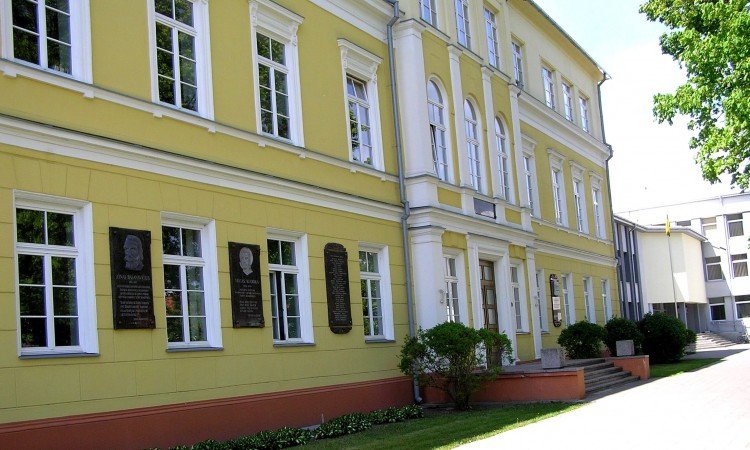
The museum was opened in 1967, to celebrate the 100th birthday of the gymnasium. This school has more than 9500 exhibits which show the history and period from tsarist Russia to restored independence. Here you can get information about former and famous gymnasium students who were a part of the Lithuanian nation which had a huge impact in our country’s history and culture: J. Basanavičius, V. Kudirka, P. kriaučiūnas, J. Jablonskis, A. J. Greima, V. Mykolaitis-Putinas, St. Jurgis Matulaitis – these are the signatories of independence act from February 16th in 1918. The main purpose of this museum is to show the difficult and brutal side of Sūduva and Lithuanian history, to attract young people and to educate about patriotism. This museum is the heart of Marijampolės Rygiškių Jono gymnasium, loved by tourists.

This museum has an exhibition called "The Life and Work of Vincas Mykolaitis-Putinas". The main purpose is to portray his life style, activity and evolution of his creativity. This museum shows pictures, articles, illustrations, the ark of his mother, coffee milling machine and other personal stuff. There is also a documentary movie by Vytautas V. Landsbergis about Vincas Mykolaitis-Putinas.
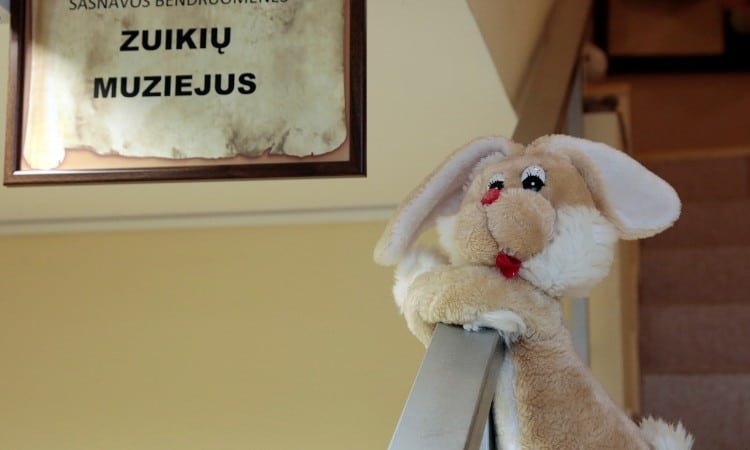
You can find 800 different types of rabbits in this museum, which is based in Sasnava. The smallest one is 1cm and the biggest is 1m. You can also get to know more about the name Sasnava and participate in fun educational programs for all different age groups. Here you can take pictures with different rabbits, bake "Honey Cake of Rabbit", make "rabbit for sleep" or other craft. You can also dance, create a story or even exercise. There is also a chance to organize different events like children’s birthdays, anniversaries, christenings etc.